🇯🇵日本語は下部にあります。
🥻Yesterday, I visited an exhibition of the new brand “Mrinalini”. Mrinalini is a platform that supports handloom weavers with the aim of preserving traditional Indian crafts.
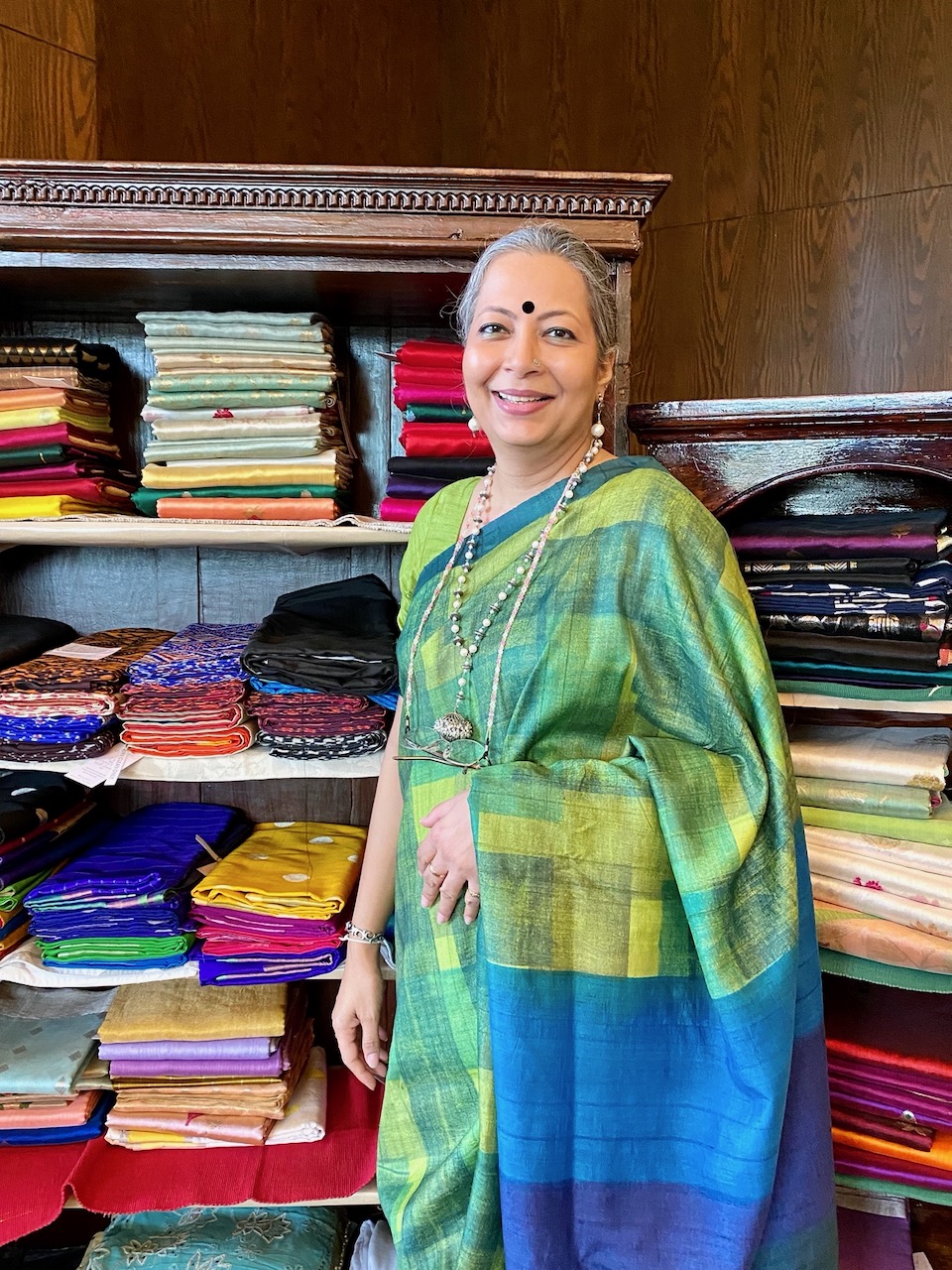
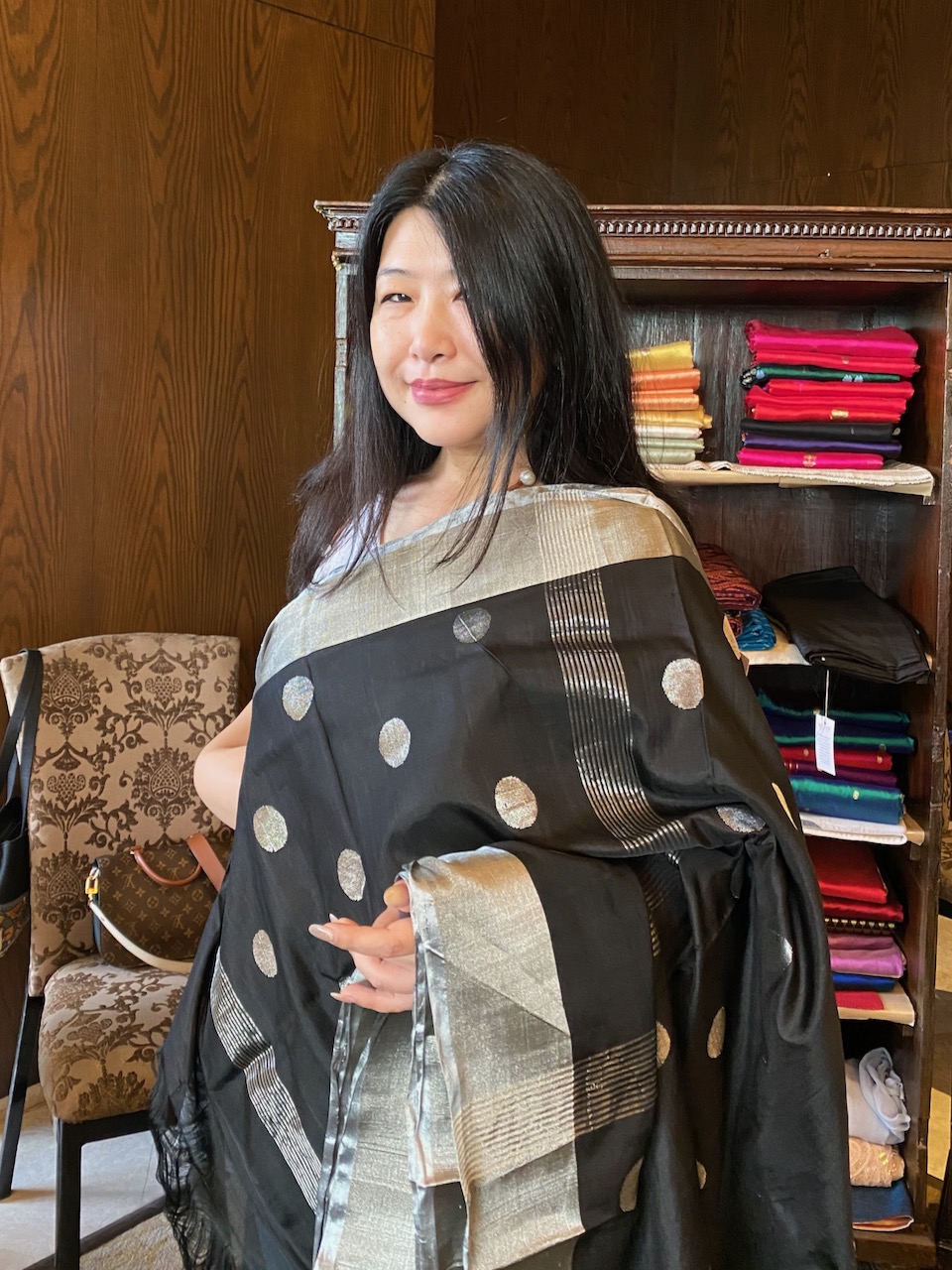
The beautiful lady in the first photo, who looks great in a saree, is the co-founder of the company, Yashodhara. The venue was filled with “works of art” by skilled artisans from all over India.
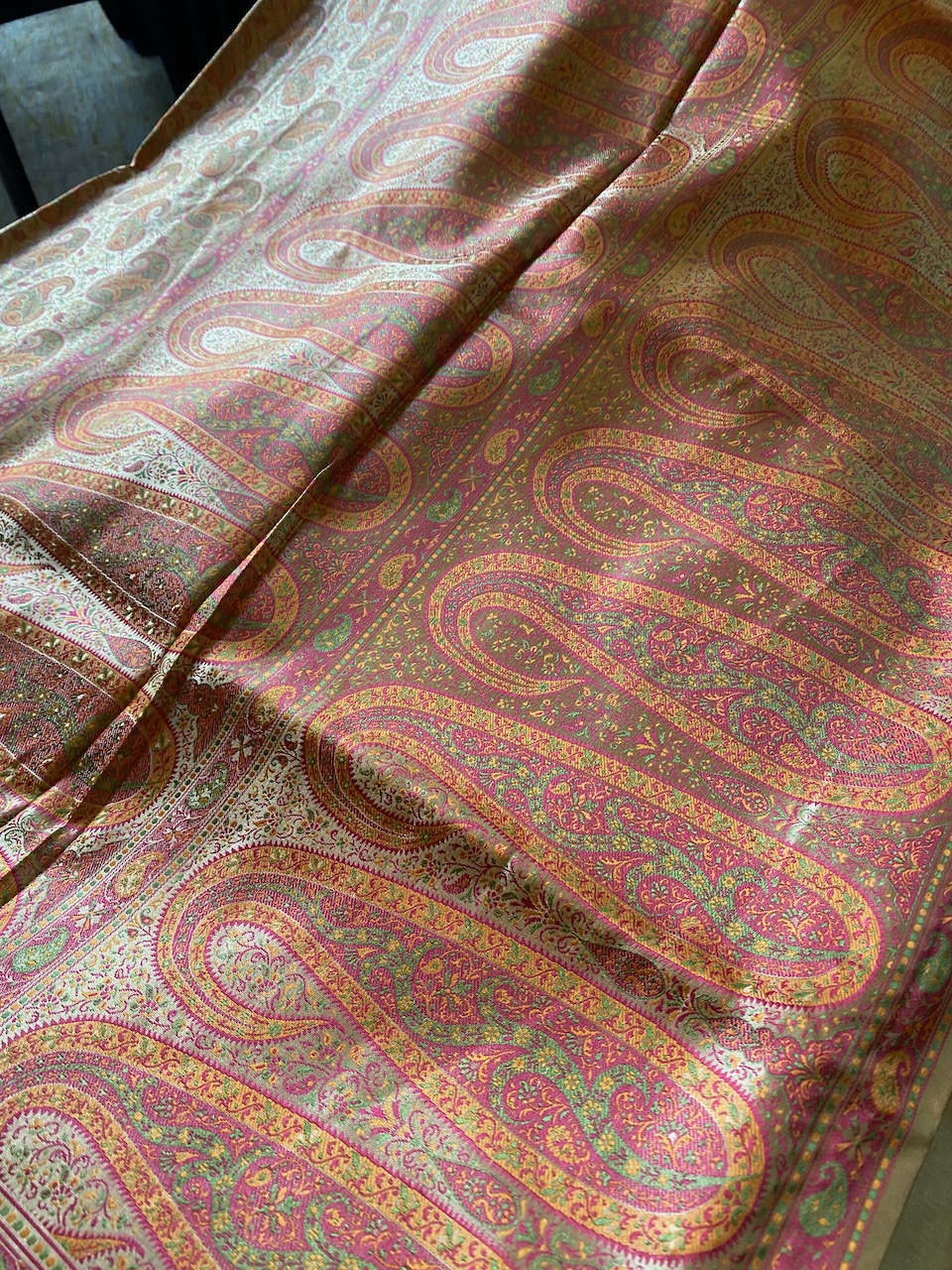
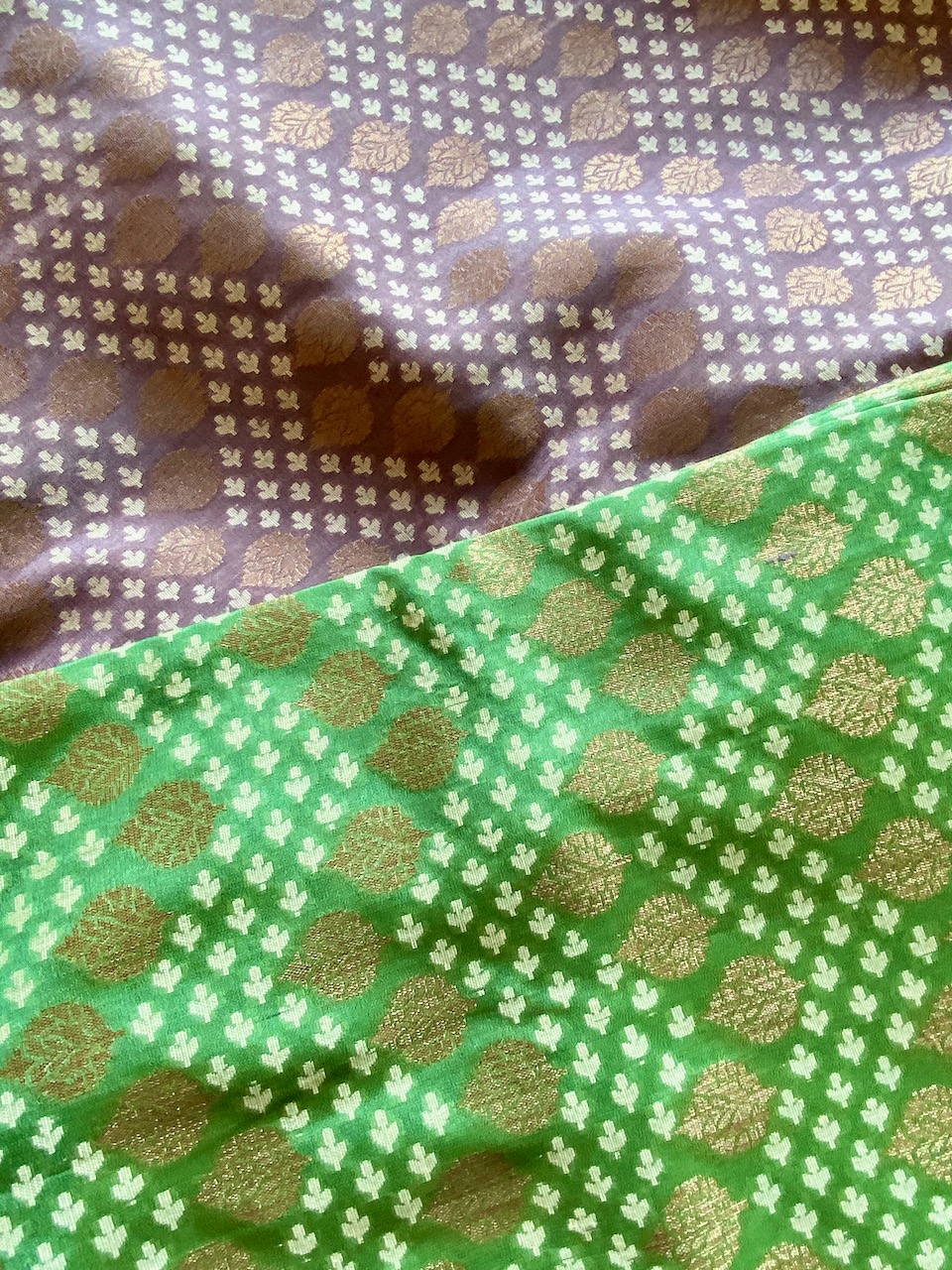
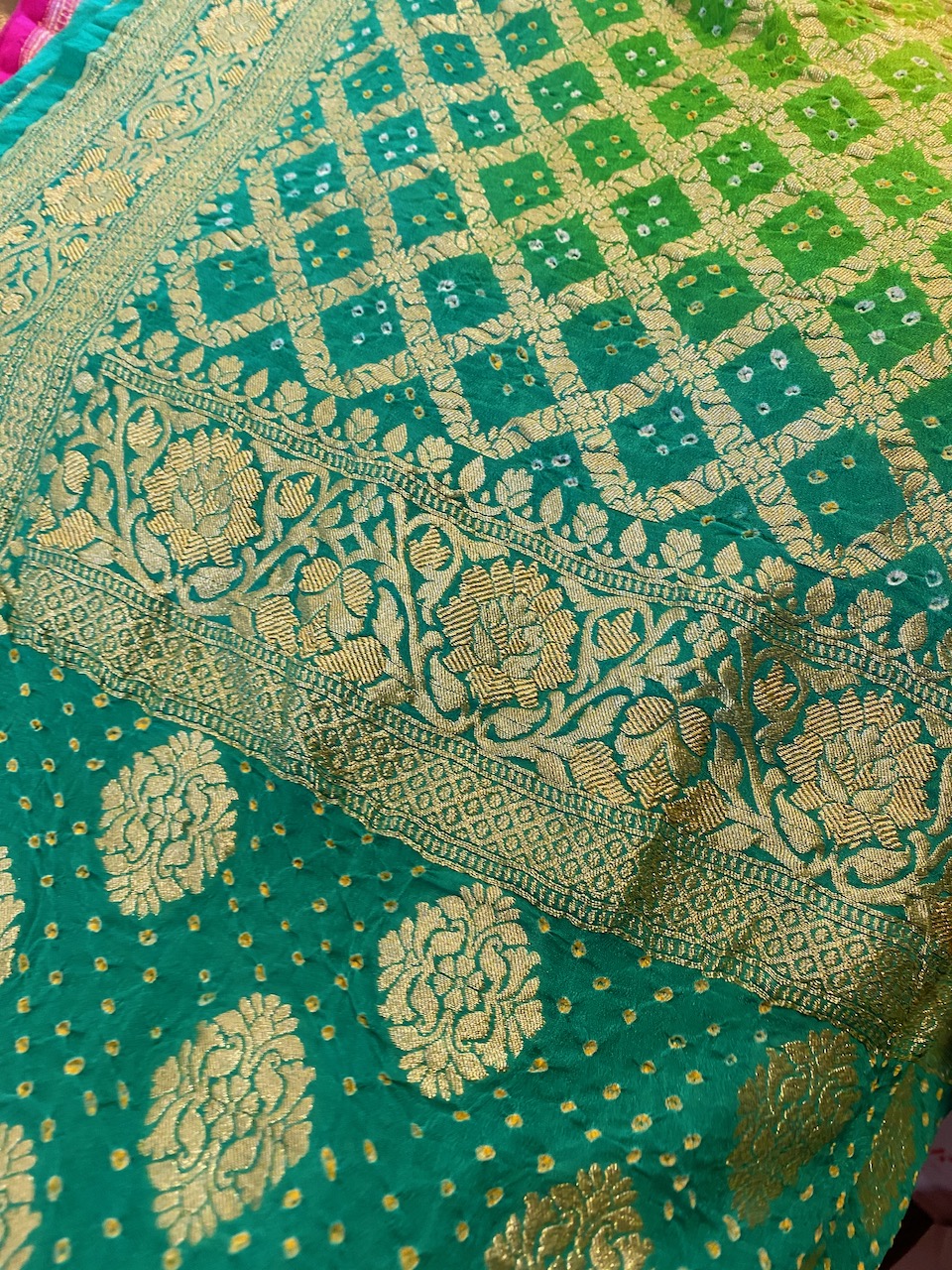
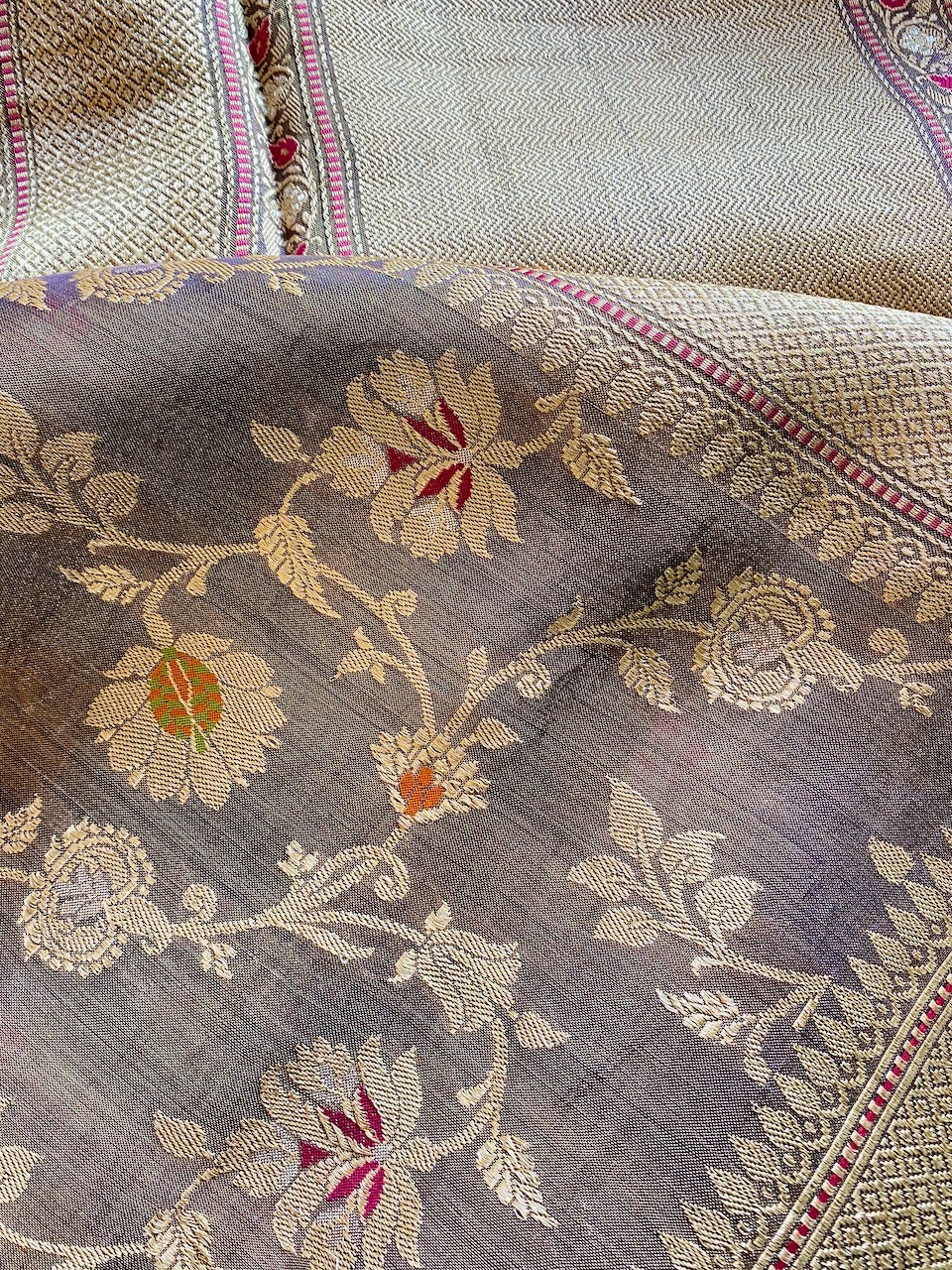
There are lots of sarees here and there made with my favorite technique! Touch, Spread, Stare, Admire….Whenever I see the beautiful textiles that feels good, I want to spread them out and swim in it.🏊♀️😁
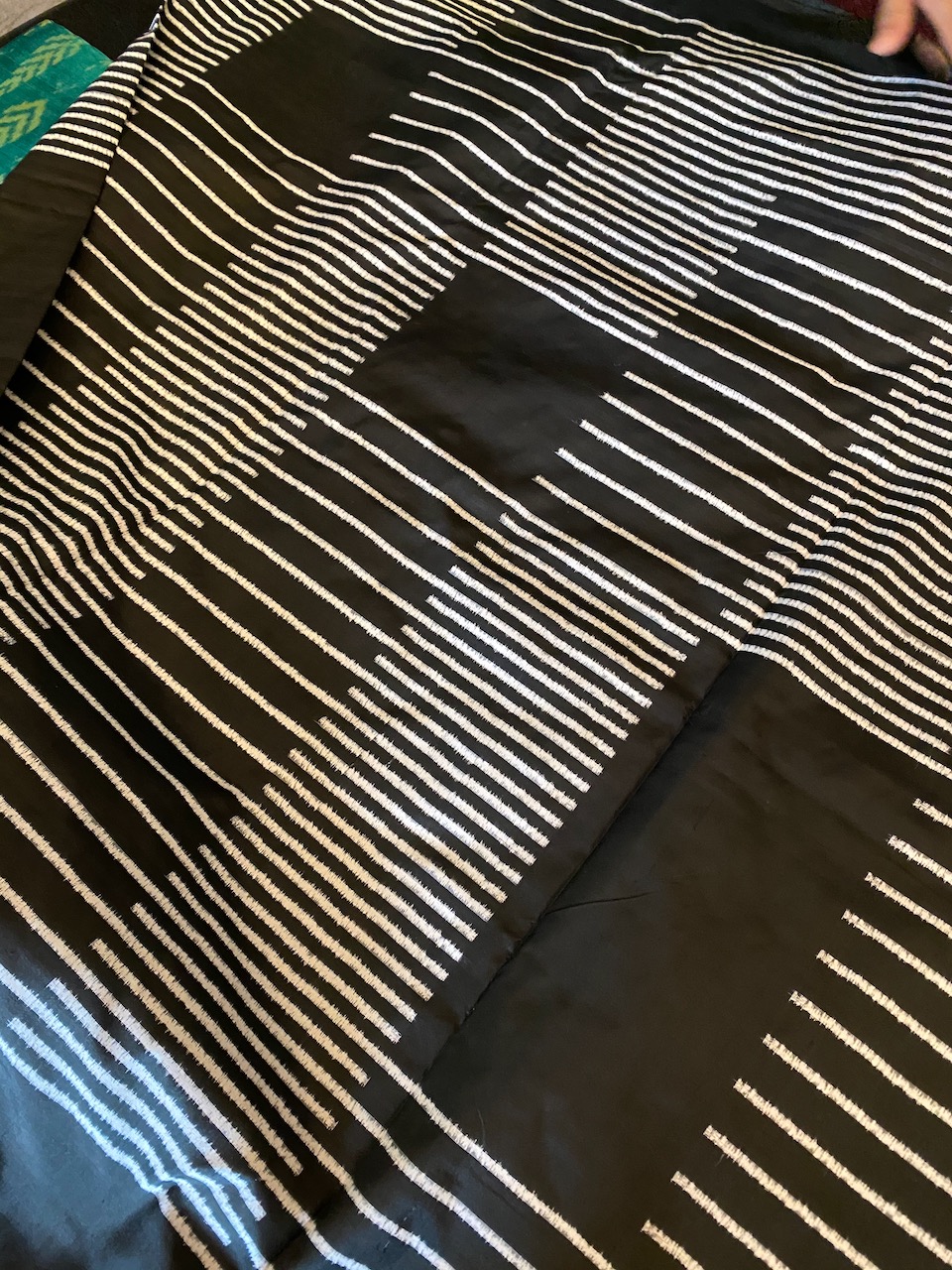
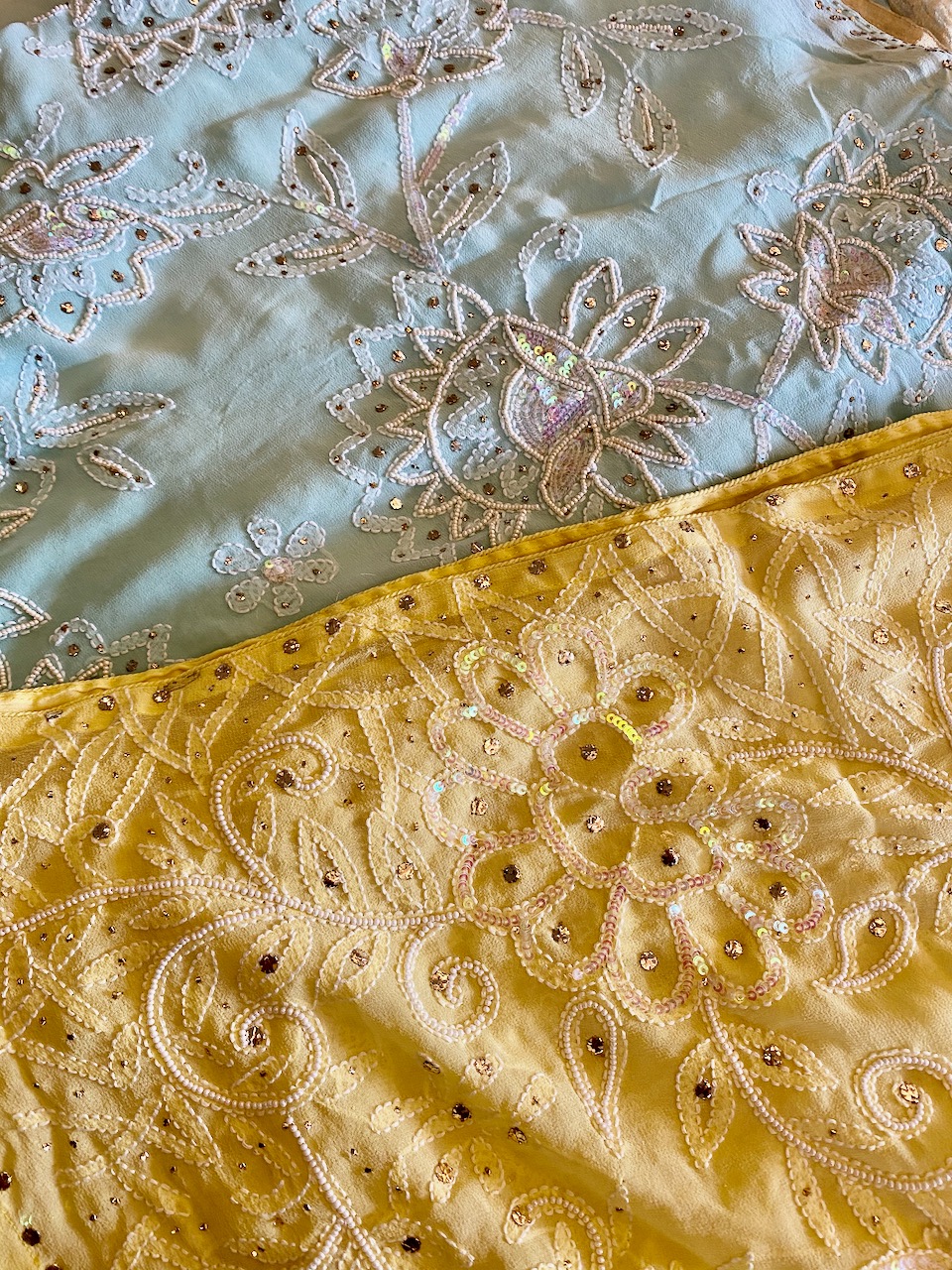
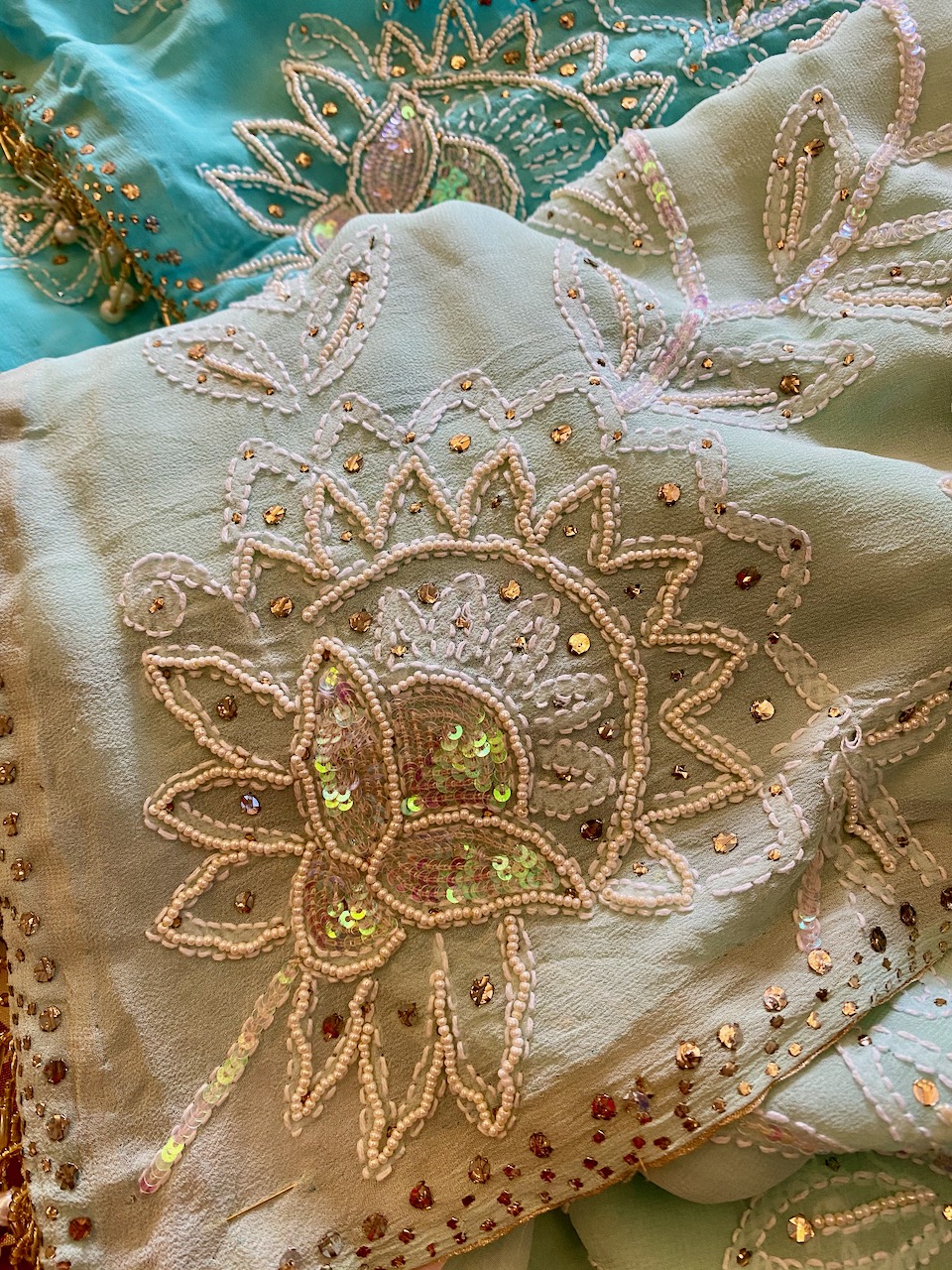
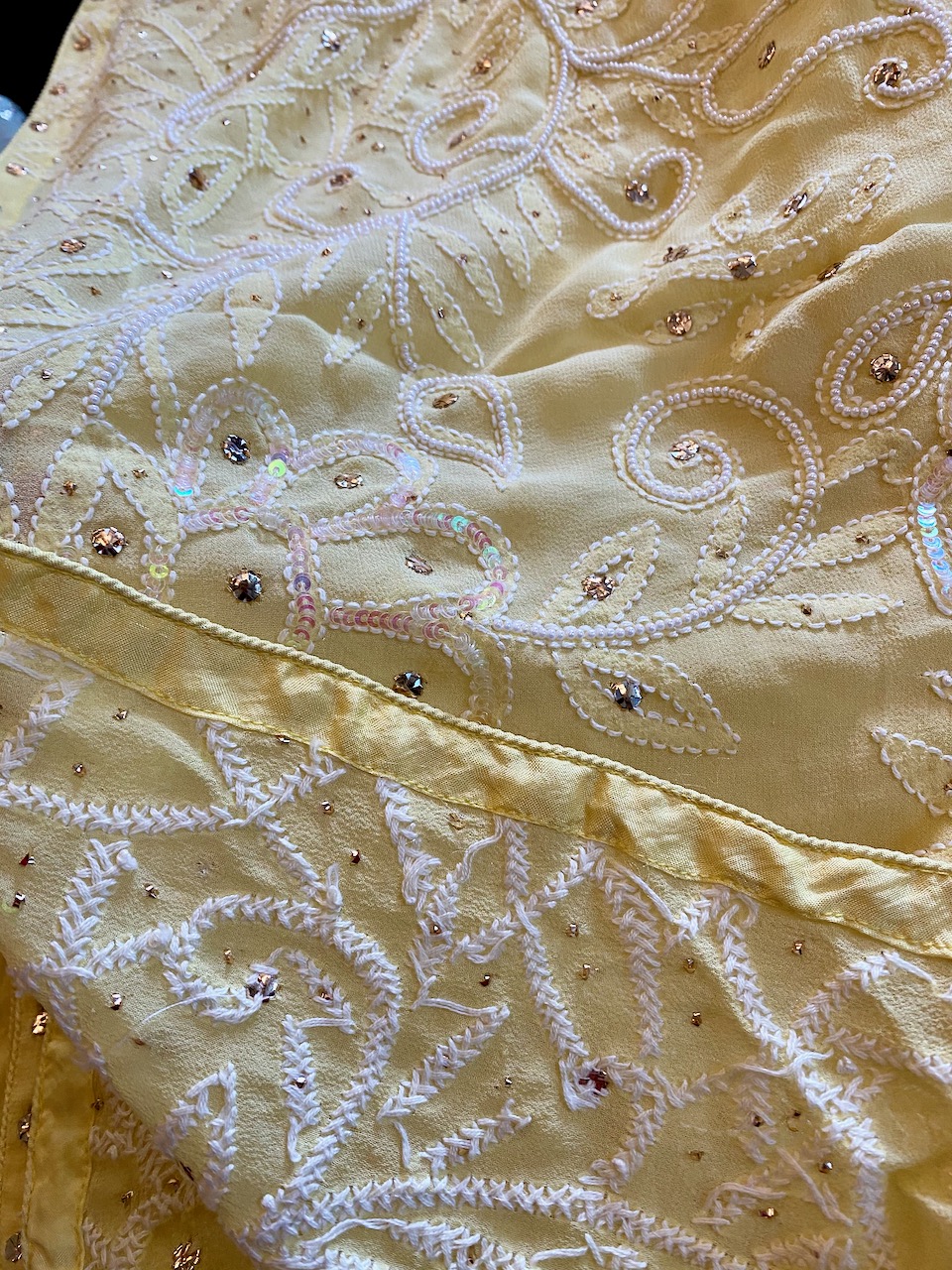
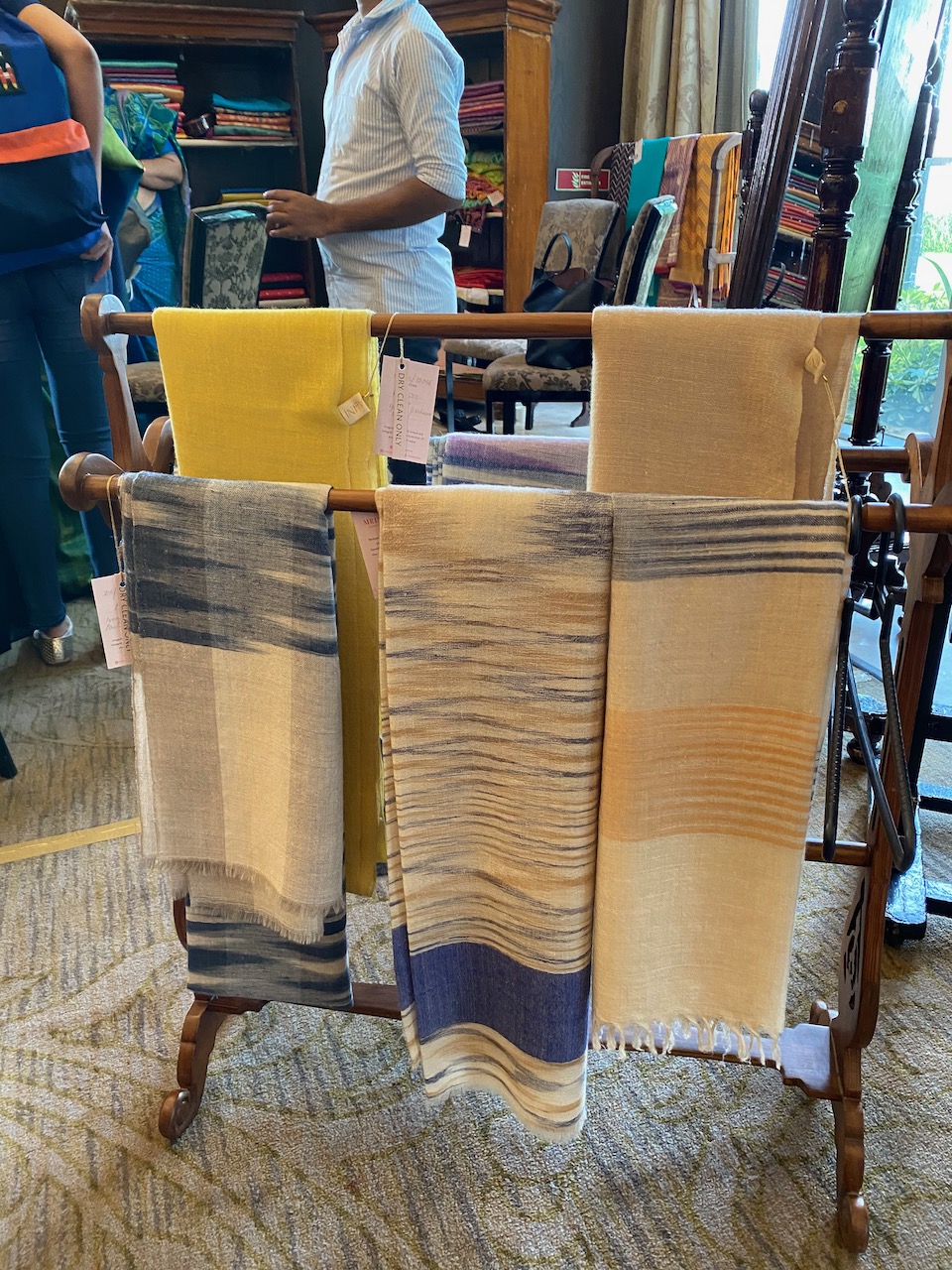
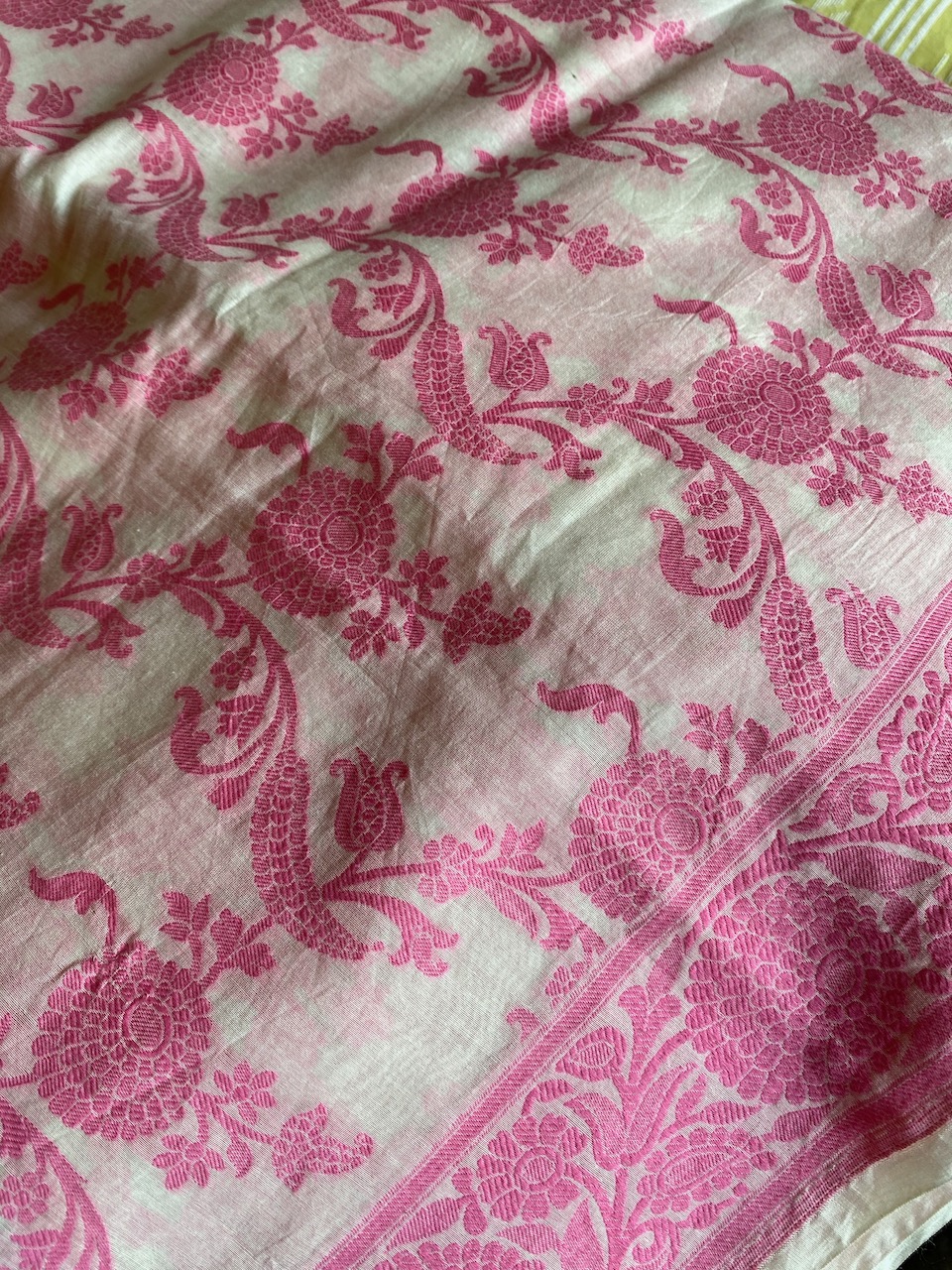
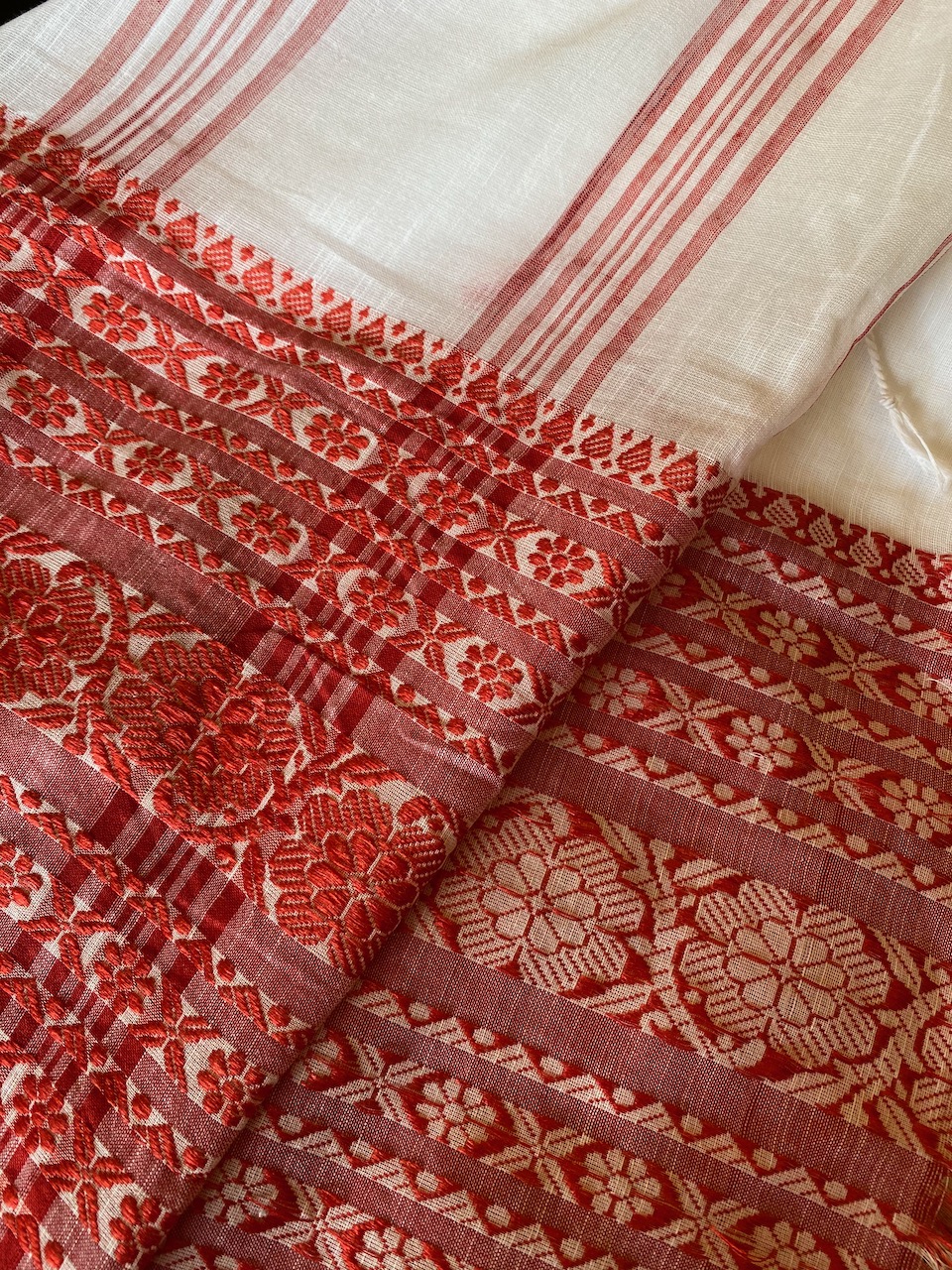
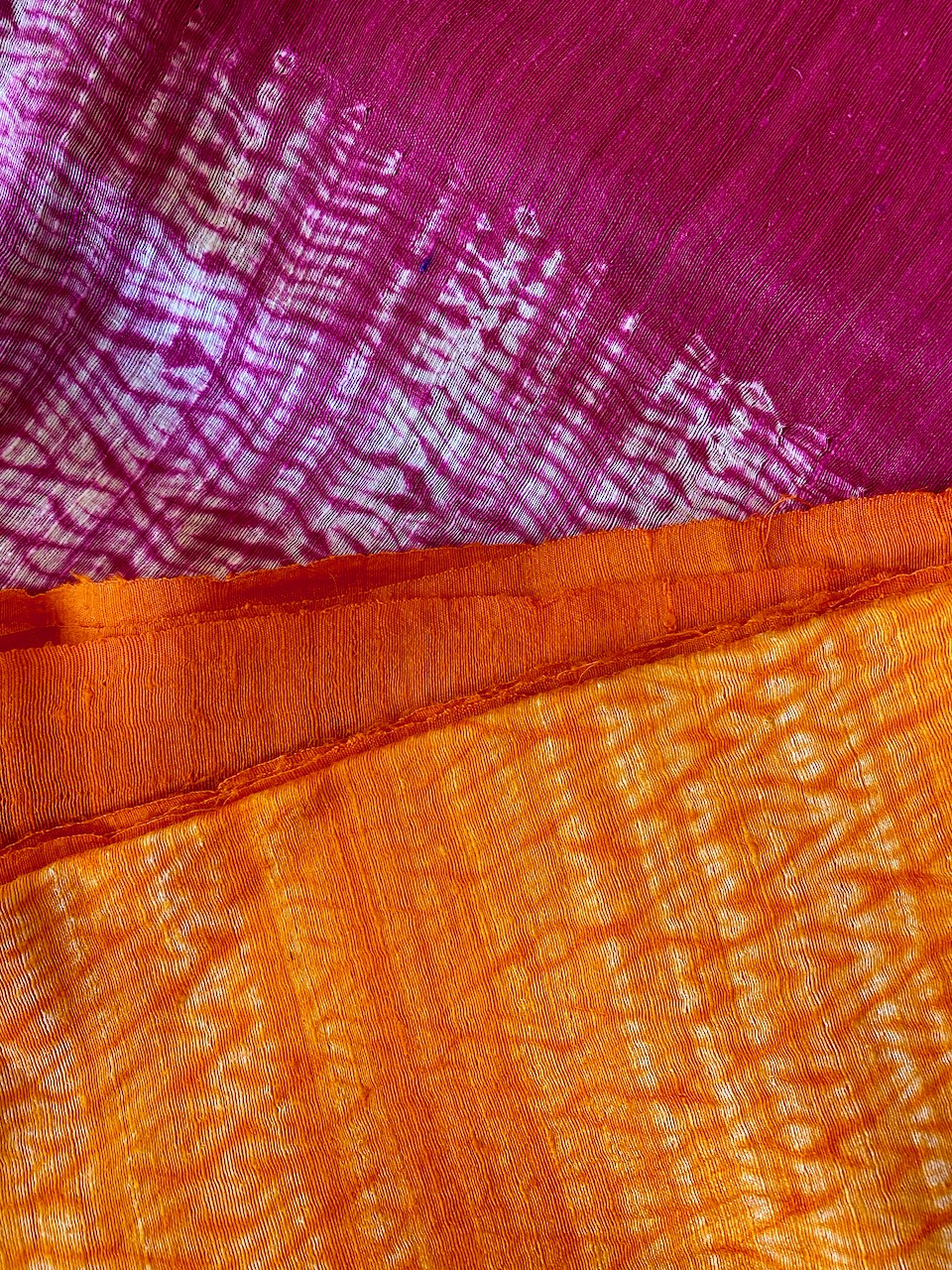
There were many different types of textiles, such as Ikat from Andhra Pradesh, Chikankari (embroidery) from Lucknow, Banarasi silk from Varanasi, Bandhani (tie & dye) from Gujarat, and Jamdani from West Bengal.
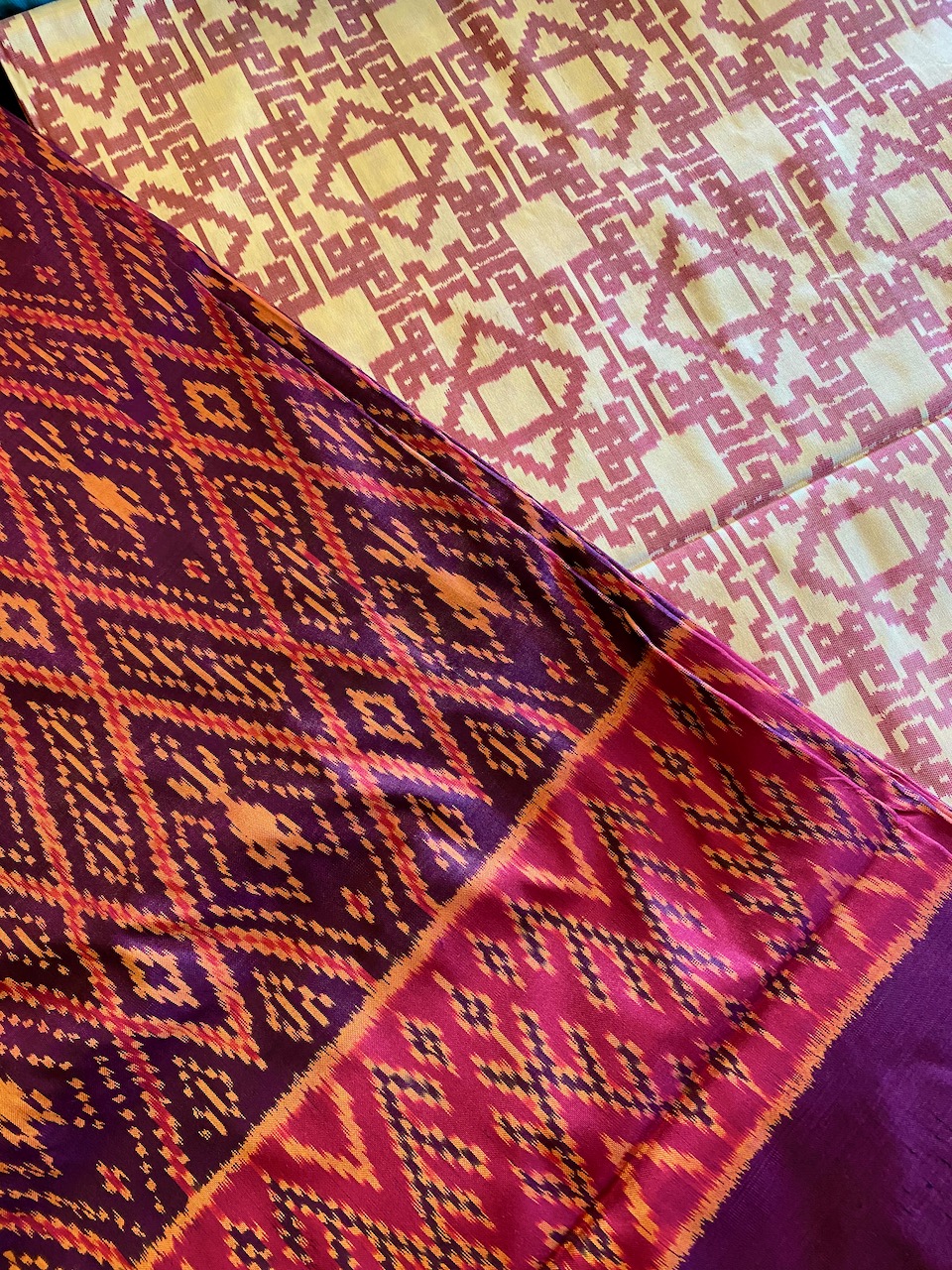
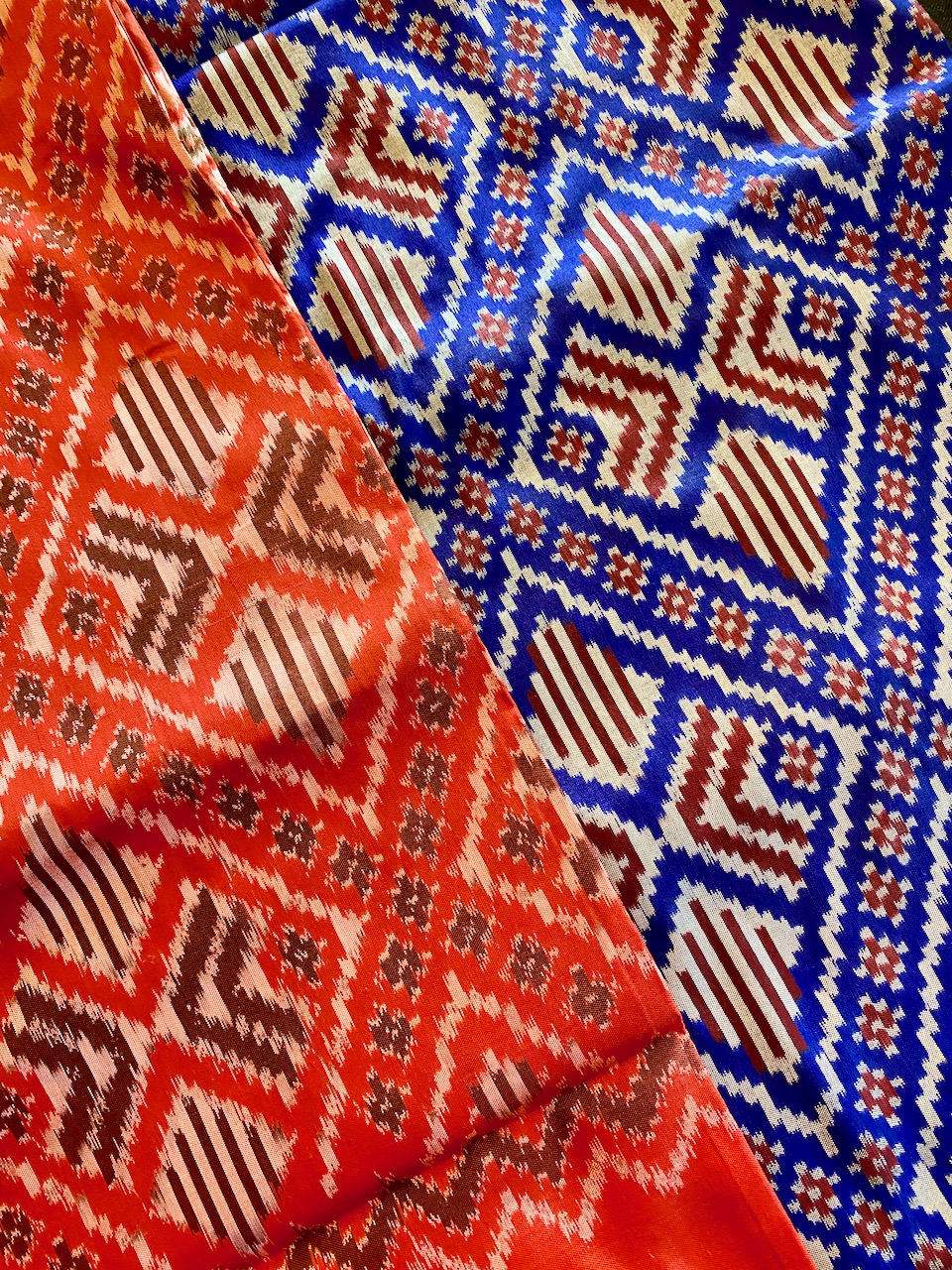
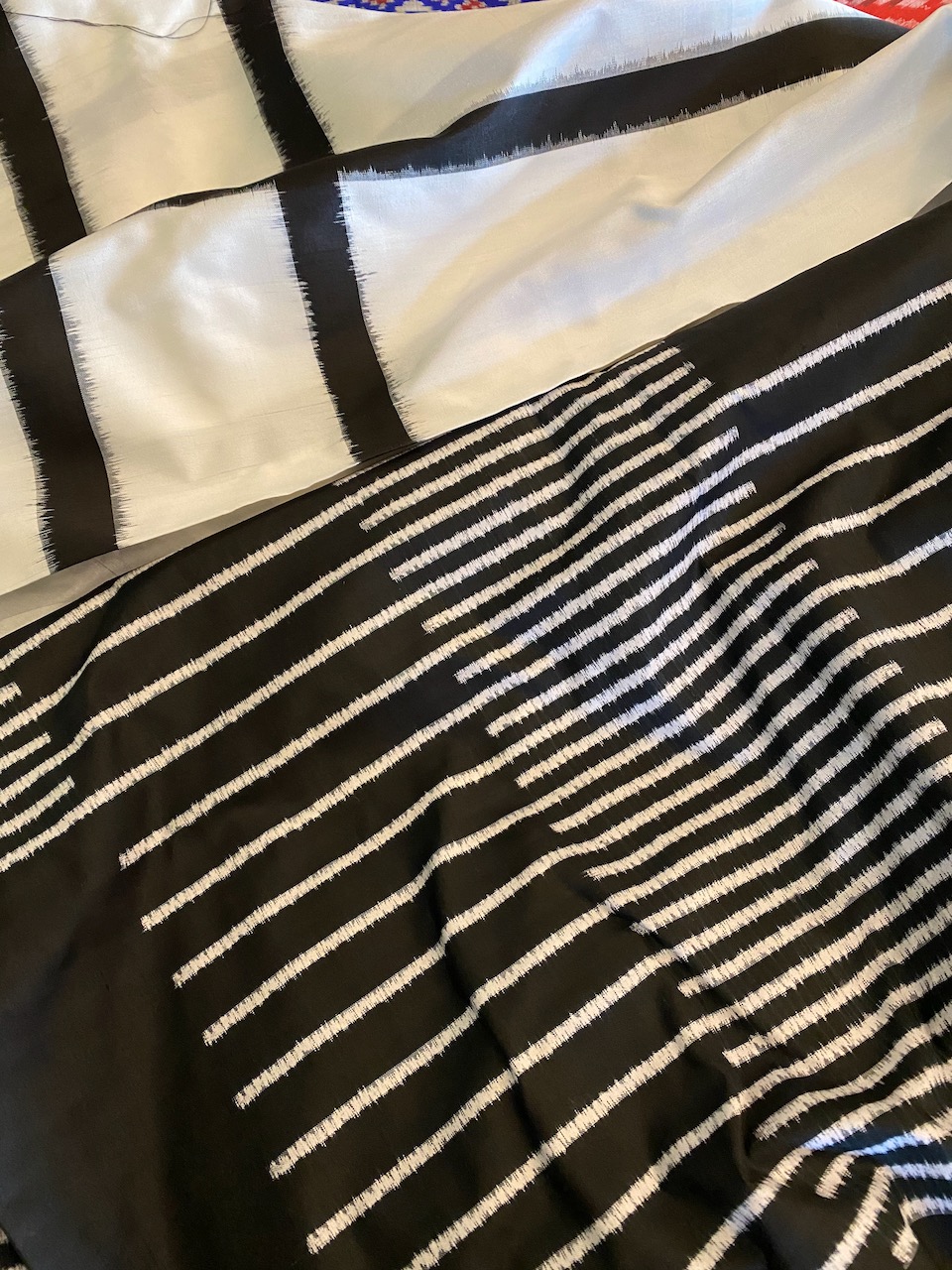
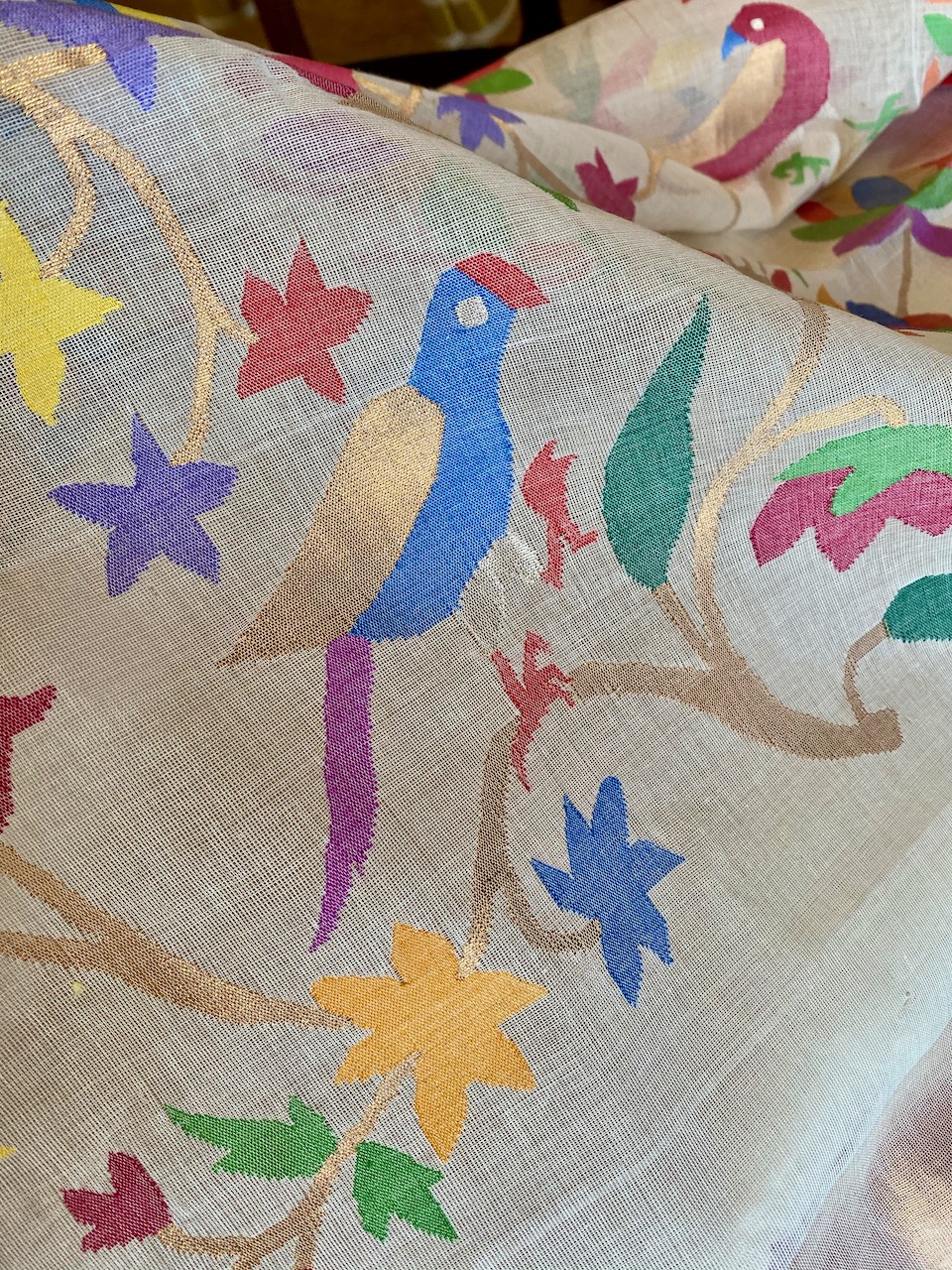
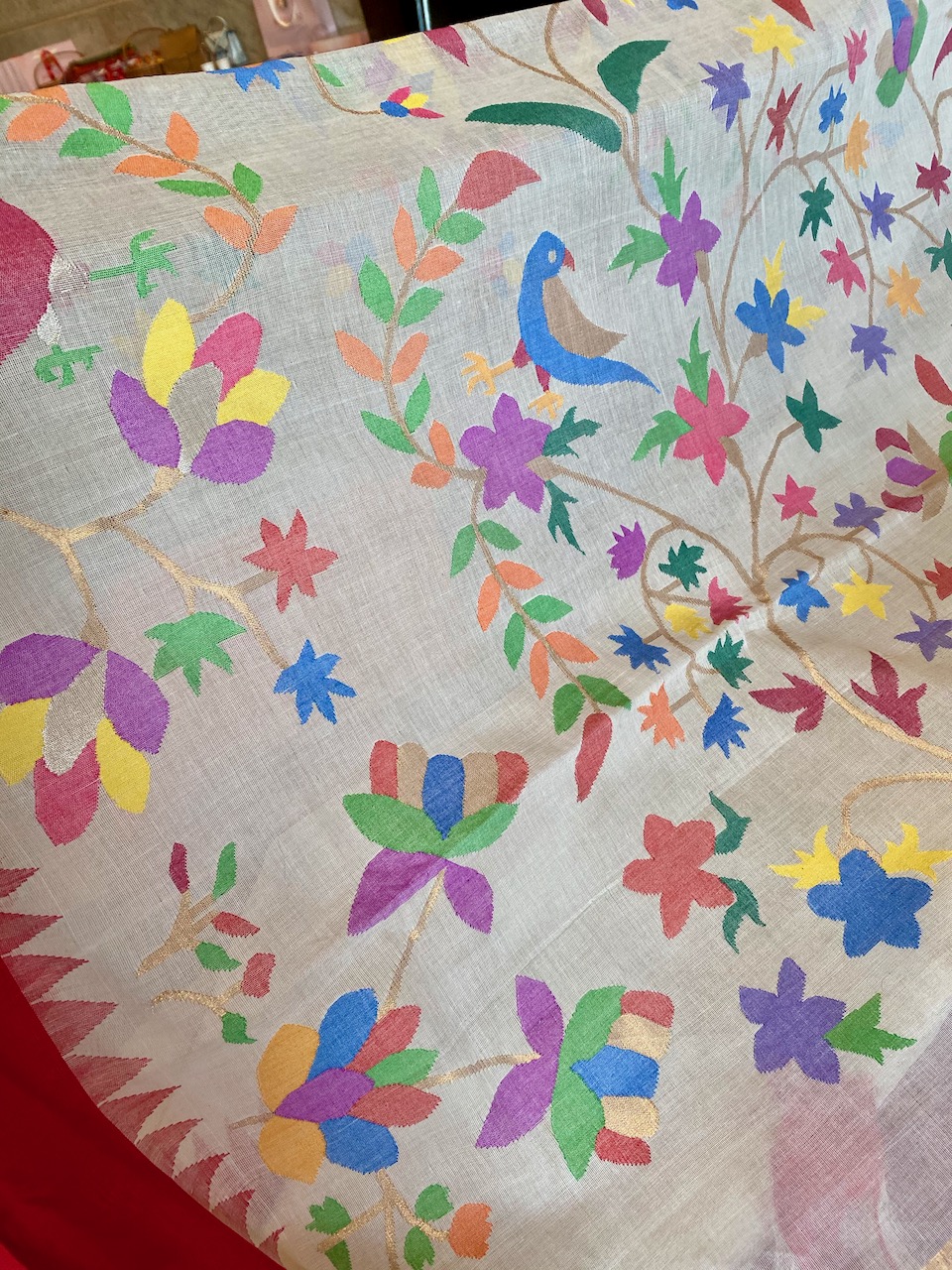
Among them, “Ikat, woven by the traditional Cambodian technique” and “Jamdani,” which is as light as a feather with colorful birds and flowers woven into it, are outstanding!!
The sarees were quite reasonable since they were purchased from artisans. As a consumer of sarees for the past 16 years, I have seen the evolution of the saree market, and I understand it pretty well.😉
Before the pandemic, I used to give seminars on “Indian Textiles and Sarees” to Japanese people living in Bangalore. After the lecture, the participants could try on my sarees.
By trying on different sarees, they were able to get an idea of what sarees tend to look good on them. I also often organised “Saree shopping tour” for them. In the future, I will be able to give tips on how to choose and wear sarees to the “younger generation” of Indian women who are not used to wearing sarees.😆
10月2日のマハトマ・ガンディーの誕生日を皮切りに、インドは各宗教の祝祭が目白押し、本格的なお祭りシーズンに突入する。今年は11月初旬のディワリ(ヒンドゥー教の新年)で、前後はイヴェントや旅行も増える。更にこの時期は結婚シーズンとも重なる。毎年記しているが、このシーズンのスケジュールは「週休5日制」と捉えて組んだ方がいい。
COVID-19パンデミックにより、去年は行動が大きく制限されていたが、今年は「ポスト・コロナ」あるいは「ウィズ・コロナ」の世界が構築されつつある。依然、集会の規模などに制限があるものの、新しい条件のもと、街は活気を取り戻している。
わたし自身、この1カ月いくつもの催しに足を運んできた。個人的に「量産できない良質」の「職人による手工芸品」や「アーティストの作品」が好み。加えて、困窮する人々の支援につながり、地球環境を尊ぶものであれば、なおすばらしい。
ゆえに、パンデミック下で困窮する人々の支援目的、あるいは若きアントレプレナーたちの台頭が見られる場を中心に足を運んでいる。
昨日は、友人Dekyiに誘われ、知人のYashodharaが運営するMrinaliniの展示会を訪れた。1枚目の写真、サリーがとてもお似合いの麗しい女性だ。
Mrinaliniは、インド伝統工芸の保全を目指し、手織物職人を支援するプラットフォーム。会場には、インド各地から取り寄せられた、腕のいい職人たちによる「芸術作品」が集められていた。
アンドラ・プラデーシュ州の「絣(かすり)IKAT」やウッタル・プラデーシュ州ラクナウの「チカンカリ CHIKANKARI)刺繍」、同州ヴァラナシの「バナラシ織り BANARASI」、グジャラート州の「絞り BANDHANI」、西ベンガル州の精緻なモスリン織り「ジャムダニ JAMDANI」など、好みのサリーが次々に目に飛び込んでくる。
触れる。広げる。眺める。感嘆する……。感触のすばらしい布を前にすると、広げて泳ぎたくなる衝動に駆られる。🏊♀️😁
中でも「カンボジアの伝統技法によって織られたアンドラ・プラデーシュ産の絣」や、カラフルな鳥や花が織り込まれた羽のように軽いジャムダニは秀逸。どちらも「裏から見ても精緻に美しい」のがポイントだ。
なお、職人との直接交渉によって購入されていることから、値段はとても良心的。わたしは過去16年に亘り、一消費者としても、サリー市場の変遷や価格変動を見てきたので、確かなことだ。まだ立ち上げられたばかりのブランド。今後また新たな情報があれば、シェアしたいと思う。
パンデミック以前、わたしは時折、バンガロール在住の日本人を対象に『インドのテキスタイルとサリー講座』を開いていた。講座のあと、参加者はわたしのサリーを試着、自分に似合う色柄を知ることができるという、なかなかに充実の講座だ。
また、サリーのショッピングツアーも実施していた。今後は、普段、サリーを着慣れていない「若い世代」のインド人女性にも、サリーの選び方や着方のコツを伝授できる気がしている。まずは、普段はサリーをほとんど着ないチベット系インド人の友、Dekyiに「サリーの着付け方」を講習する予定。😸

 インド百景 2021-2025
コメントを残す